Introduction: why pillow choice matters when you travel
Travel disrupts our normal sleep environment—air turbulence, unfamiliar beds, cabin hum, and the constant lure of sightseeing can push our bodies into a state that makes neck strain and restless nights more likely. A thoughtfully chosen travel pillow can be the difference between waking with a kink and waking ready to explore. The core variables to consider are material, loft (how high the pillow rises under your head), and the cover fabric that sits against your skin. Each choice influences air flow, temperature, cervical support, and ultimately how well you’ll sleep on planes, trains, or hotel rooms.
In this guide, we’ll walk through three main material families—organic latex, memory foam, and hypoallergenic synthetics—and discuss how loft and cover materials alter performance in travel scenarios. We’ll also outline practical tips for packing, cleaning, and adapting pillow choices to different sleeping positions and trip lengths. Whether you’re a frequent flyer, a weekend explorer, or a family packing for a vacation, you deserve sleep that travels well with you.
Material options: how each pillow core behaves on the move
Choosing pillow material is really choosing how the pillow responds to your head and neck, how it breathes, and how durable it feels when you’re moving through airports and hotel halls. Here are the three main material families you’ll encounter in travel pillows today:
- Organic latex: Naturally breathable and buoyant, latex offers resilient support with a springy feel. It resists sinking over the night and maintains loft well—especially in varying cabin temperatures. For travelers who shift positions often, latex can keep neck alignment steady without creating a “hot spot.”
- Memory foam: Known for contouring precisely to your head and neck, memory foam can reduce pressure points and minimize motion transfer. The trade-off is that some travelers find memory foam warmer, and it may have slower response if you roll over quickly during a nap onboard.
- Hypoallergenic synthetics: Classic travel pillow foams and synthetic fills offer lightweight, often washable options with good breathability. They’re typically affordable, compact for packing, and easy to care for in hotel rooms or hostels.
Beyond the core material, consider a few design nuances. A shredded latex fill can offer a breathable blend of support and adjustability, while solid cores may provide a firmer, more uniform loft. The pillow’s cover fabric also matters: cotton and cotton blends wick moisture, cotton jersey feels soft against the skin, and bamboo or moisture-wicking fabrics can help regulate temperature on long flights.
Loft and support: finding the right height for your sleep style
Loft is the vertical height of the pillow when you rest with your head on it. The right loft depends on your sleeping position and the alignment you want for your neck. Here’s a quick framework to guide your choices:
- Back sleepers often benefit from a medium loft that fills the space between the neck and the head, supporting the cervical curve without pushing the head forward.
- Side sleepers generally need a higher loft to keep the ear and shoulder aligned and the spine straight—think firmer support to prevent the neck from dipping toward the mattress.
- Stomach sleepers usually prefer a low loft or a flatter pillow, reducing the risk of neck torque while breathing comfortably.
Travel pillows vary in loft due to fill density and shell construction. A flexible pillow that can adjust loft through removable or adjustable fill is a practical option for multi-position travelers. If you’re unsure, a pillow labeled as “adjustable loft” or one that ships with a small amount of extra fill is a solid starting point. You can fine-tune by adding or removing fill to fine-tune comfort on the first night of your trip and keep it consistent thereafter.
Care, cleaning, and packing tips to keep sleep on the go fresh
A travel pillow is a personal gear item—keep it clean and ready for every journey with simple practices. If your pillow has a removable cover, wash it according to the label. For inner cores, spot clean with mild detergent and air dry. If the fill is machine washable, follow the manufacturer’s instructions for water temperature and cycle settings. A pillow protector adds durability and can help fend off allergens, spills, and odor buildup between trips.
Packing tips to maximize space and protection:
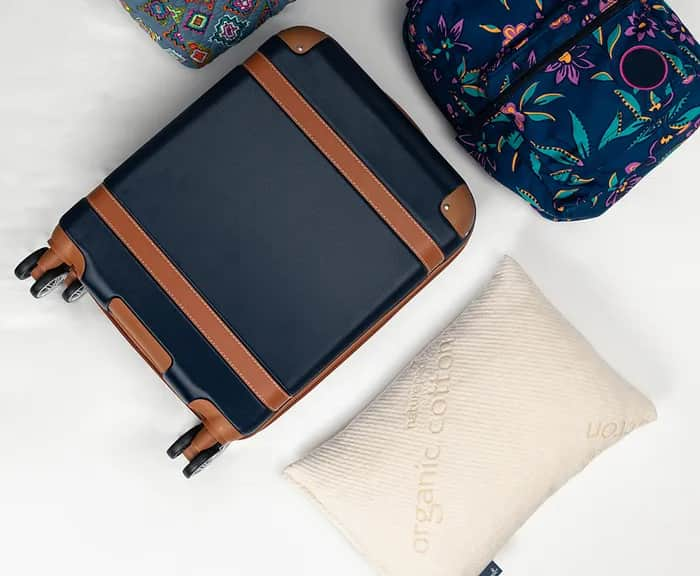
- Choose a compact, zip-around travel pillow case or a small stuff bag to keep it clean and compact in your carry-on.
- When possible, store the pillow inside your luggage to minimize squashing, using soft items around it as padding.
- Consider a pillow with a built-in carry handle or a compact shape that fits into a tote or under-seat storage.
- Keep a small travel hygiene kit (gentle wash, microfiber cloth, and a fresh cover) for mid-trip refreshes.
A well-maintained pillow not only feels better but can last longer, especially if you use a cover and protectors. A simple routine—wash the cover weekly on return from a trip and air out the core—helps preserve loft and hygiene.
Travel pillow reviews: expert voices across time
To give historical texture to our sleep guidance, let’s look at perspectives from three influential figures across different eras who might have weighed in on travel comfort, neck support, and reliable rest under travel strains:
Hypatia of Alexandria (c. 355–415 AD) — a thinker for thoughtful rest
While Hypatia’s work centered on philosophy and mathematics, the timeless insight she would offer about sleep is calm, measured, and purposeful. In travel-like conditions—perhaps crossing deserts along ancient trade routes—she would advocate for a simple, efficient support for the neck and spine. A lightweight, breathable pillow filled with natural materials would align with her rational, empirical approach: choose comfort that adapts to the body without excess weight, maintain clean utilities, and trust in a sleep setup that respects natural rhythms.
Benjamin Franklin (1706–1790) — innovation and practical comforts
Franklin valued efficiency and clever solutions. In the context of travel sleep, he would likely appreciate a compact, versatile pillow that saves space in a saddlebag or coach trunk, yet still delivers reliable neck support. He might champion a pillow with adjustable loft, so a traveler can adapt to multiple beds, from a noisy inn to a soft feather bed, while keeping care routine minimal and practical.
Jane Goodall (born 1934) — observation, care, and mindful living
Goodall’s emphasis on careful observation and gentle care would translate into a traveler’s approach to sleep health. The right travel pillow would be one that respects the body’s signals, supports natural spinal alignment, and reduces stress—allowing travelers to observe, adapt, and enjoy their journey with vitality. A pillow that offers breathable materials and simple, sustainable care would resonate with her values of empathy and environmental mindfulness.
These silhouettes remind us that sleep, even on the go, benefits from thoughtful design, sufficiency of support, and a respect for the body’s signals—less guesswork, more science, and a touch of timeless practicality.